How to Tell When Cake Is Done (5 Tests)
Is it done? That moment of uncertainty, hovering over the oven with a toothpick, has stressed every baker. Learning how to tell when cake is done is part science, part senses, and entirely learnable. This guide teaches you the five reliable tests, why the toothpick test alone can mislead you, and how to adjust for different cake types.
Pulling a cake at the perfect moment is the difference between moist and dry, between triumph and disappointment. These skills will serve you in every bake for the rest of your life.
How to Tell When Cake Is Done: Overview
Learning how to tell when cake is done comes down to using your senses plus one simple tool. The five tests below work for nearly every cake type, from layer cakes to Bundts. Start checking 5 to 10 minutes before the recipe’s stated time for the best results.
Test 1: The Toothpick or Skewer Test
The classic for a reason. Insert a toothpick or wooden skewer into the center of the cake (the last part to bake through). For most butter cakes, it should come out clean or with a few moist crumbs. Wet batter means more time; completely clean and dry can mean overbaked, depending on the cake.
The nuance: For fudgy cakes like brownies or molten chocolate cake, you want moist crumbs or even a bit of goo. For angel food or chiffon, the skewer should come out completely clean. Know your cake’s target texture before you test.
Test 2: The Spring-Back Touch Test
Gently press the center of the cake with your fingertip. If it springs back immediately, it is done. If it leaves an indent, it needs more time. This test is fast, requires no tools, and works beautifully for layer cakes and cupcakes. Just be gentle and quick to avoid burning yourself or deflating a delicate cake.
Test 3: Visual Cues
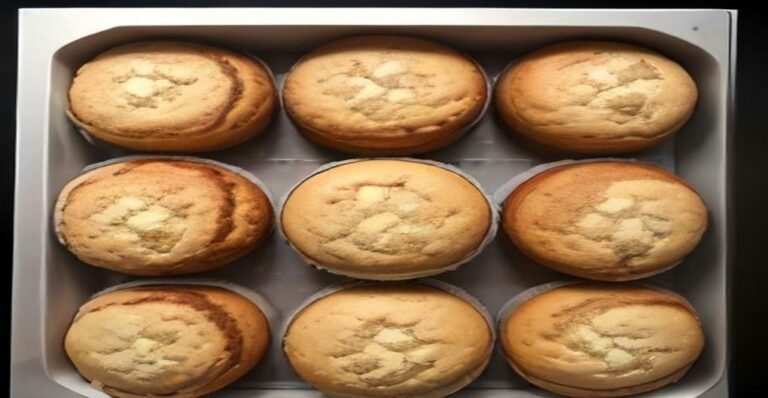
A done cake pulls away slightly from the pan edges, looks evenly golden (not pale or wet-looking), and has a surface that looks set rather than jiggly. For chocolate cakes, look for a matte finish rather than a shiny, wet sheen. These cues are especially useful when you are baking an unfamiliar recipe and do not know exactly what to expect inside.
Test 4: The Internal Temperature
The most foolproof method: an instant-read thermometer. Most butter and layer cakes are done at 200 to 210°F (93 to 99°C) in the center. Pound cakes and rich fruitcakes: 210°F. Cheesecakes: 150°F (they set as they cool). Bread-like quick breads: 200°F. Temperature does not lie, and it eliminates all guesswork. Insert the probe into the center, avoiding the bottom of the pan.
Test 5: The Listening Test
This old baker’s trick works especially well for rich cakes. Put your ear near the cake and listen. An underbaked cake crackles and hisses as moisture escapes; a done cake is quiet. It sounds strange, but generations of bakers swear by it, particularly for pound cakes where the other tests can be ambiguous.
Timing Guidelines by Cake Type
Always start checking 5 to 10 minutes before the recipe’s stated time. Ovens vary enormously, and most recipes give a range for good reason. Cupcakes: 18 to 22 minutes. 8 or 9-inch layers: 25 to 35 minutes. Bundt cakes: 45 to 60 minutes. 9×13 sheet cakes: 30 to 40 minutes. Loaf-style cakes: 55 to 70 minutes. Write down what worked in your oven for each pan; that note becomes gold.
What to Do If You Overbaked
It happens to everyone. Rescue options: brush the layers with simple syrup to add back moisture, serve with ice cream or sauce, or repurpose into trifle, cake pops, or bread pudding. A dry cake is rarely a total loss, just a creative opportunity.
Mastering how to tell when cake is done turns baking from anxiety into confidence. Trust the tests, learn your oven, and perfect cake will follow.
Cake Doneness FAQs
Can I rely on the toothpick test alone?
It is reliable for most butter cakes but misleading for others. Fudgy brownies should have moist crumbs, not a clean pick; cheesecakes should still jiggle. Know your specific cake’s target before testing.
What internal temperature means done?
Most butter cakes: 200 to 210°F in the center. Pound cakes: 210°F. Cheesecakes: 150°F (they set while cooling). An instant-read thermometer removes all guesswork and is worth owning.
Will the cake keep cooking after I take it out?
Yes, carryover cooking continues for several minutes from residual heat. This is why you pull cakes when the toothpick shows moist crumbs rather than bone dry; they finish on the cooling rack.
Why did my cake sink in the middle?
Underbaking is the top cause, followed by opening the oven door too early or too much leavening. Measure leavening precisely, avoid peeking during the first two-thirds of baking, and verify doneness with multiple tests.
Does the pan material affect doneness?
Yes. Dark metal pans bake faster and brown more; glass pans also run hot. Light-colored aluminum is the most predictable. If using dark or glass, reduce the oven temperature by 25°F to compensate.
Should I use convection for cakes?
Conventional bake mode is usually better for cakes, as convection’s fan can cause uneven rising and dry out delicate crumbs. If you must use convection, reduce the temperature by 25°F and check for doneness a few minutes early.