How to Store Baked Goods (Keep Them Fresh)
You baked something wonderful. Now, how to store baked goods so they stay wonderful? Nothing is sadder than a perfect cake turned stale overnight or crisp cookies gone soft. Different baked goods have different enemies: air, moisture, refrigerator cold, and time itself. This guide covers exactly how to store every category for maximum freshness.
The golden rule: most baked goods are best at room temperature, well wrapped, and eaten within a few days. The refrigerator is rarely your friend (with important exceptions). The freezer, on the other hand, is a baker’s time machine.
How to Store Baked Goods: The Basics
Knowing how to store baked goods properly starts with two principles: keep air out and keep the refrigerator away from most items. The detailed breakdown below covers every category, from cakes and cookies to breads and pies, so nothing you bake goes to waste.
The Enemy: Staling and Moisture
Baked goods go stale through two processes: moisture loss (drying out) and starch retrogradation (starches recrystallizing into firm structures). Wrapping tightly fights moisture loss. And counterintuitively, refrigeration accelerates staling: cold temperatures speed starch retrogradation dramatically. Bread goes stale six times faster in the fridge than at room temperature. This is why most baked goods should not be refrigerated, with exceptions for dairy-heavy items that require it for food safety.
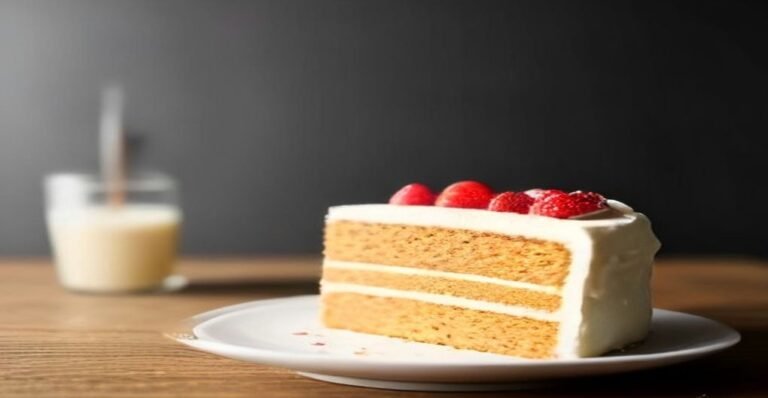
How to Store Cakes
Unfrosted layers: Cool completely, wrap tightly in two layers of plastic wrap, and keep at room temperature for 2 days or freeze for 3 months.
Frosted with buttercream: An airtight container or cake dome at room temperature for 3 days. The frosting seals in moisture.
Frosted with cream cheese or whipped cream: Must be refrigerated (food safety). Cover loosely to protect the frosting; bring to room temperature 30 minutes before serving for the best texture.
Cut cake: Press plastic wrap directly against the cut surfaces to prevent drying, then cover the whole cake.
How to Store Cookies and Bars
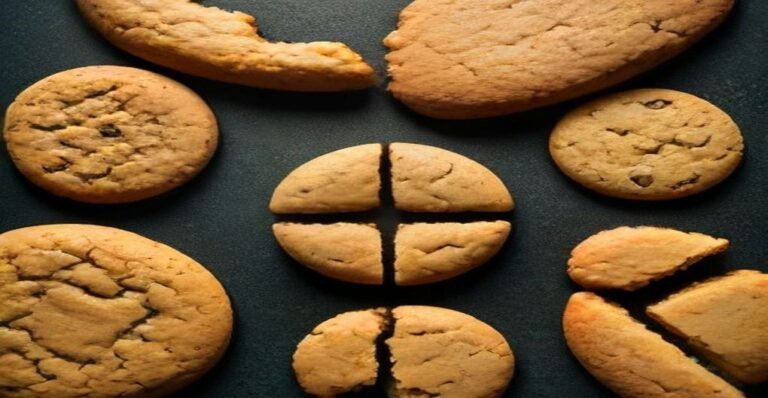
Crisp cookies (shortbread, biscotti, thin crisps): airtight container at room temperature with no added moisture. They keep 1 to 2 weeks. If they soften, recrisp in a 300°F oven for 5 minutes.
Soft and chewy cookies (chocolate chip, oatmeal): airtight container at room temperature. Add a slice of bread to the container; the cookies absorb its moisture and stay soft. Replace the bread when it hardens. Keeps 4 to 5 days.
Never store crisp and soft cookies together. The crisp ones absorb moisture from the soft ones, and you end up with two batches of mediocre texture.
Bars and brownies: Keep in the pan, tightly covered, at room temperature for 4 to 5 days. Or cut, layer with parchment, and store airtight.
How to Store Breads
Crusty artisan bread: Cut side down on a cutting board for 2 days maximum. Never in plastic (the crust goes leathery) and never in the fridge. For longer storage, slice and freeze.
Soft breads and rolls: Plastic bag or airtight container at room temperature for 3 to 4 days. The bag keeps the crust soft, which is what you want here.
Quick breads (banana, zucchini): Wrapped tightly at room temperature for 4 days. Their high moisture content keeps them fresh longer than yeast breads.
How to Store Pies and Tarts
Fruit pies: Room temperature for 2 days, then refrigerate up to 5 days total. Reheat slices in a 350°F oven to re-crisp the crust.
Custard, cream, and meringue pies: Always refrigerated, covered loosely, for 3 to 4 days. The high-moisture fillings require cold storage.
Unbaked pie dough: Refrigerated 3 days or frozen 3 months. Thaw in the refrigerator overnight.
Freezing: The Baker’s Best Friend
Almost everything freezes well: cake layers, cookie dough, baked cookies, quick breads, muffin batter (baked), and pie dough. Wrap twice (plastic wrap then foil or a freezer bag) and label with the date. Thaw at room temperature while still wrapped to prevent condensation from making surfaces soggy. Most items keep 3 months at peak quality.
What does not freeze well: custard pies, meringue toppings, and anything with fresh whipped cream. These suffer texture damage when thawed.
Reviving Day-Old Baked Goods
Stale bread and rolls spring back in a 350°F oven for 5 to 10 minutes. Dry cake becomes trifle, cake pops, or bread pudding. Soft cookies firm up with a brief oven visit. Almost nothing must be thrown away with a little creativity.
Knowing how to store baked goods properly means your effort lasts as long as it should. Wrap well, freeze freely, and never refrigerate bread again.
Storing Baked Goods FAQs
Should I refrigerate bread?
No, never. Refrigeration accelerates staling dramatically; bread goes stale up to six times faster in the fridge than at room temperature. Keep bread at room temperature for 2 to 3 days, or slice and freeze for longer.
What freezes best?
Almost everything: cake layers, cookie dough, baked cookies, quick breads, muffin batter baked into muffins, and pie dough all freeze beautifully for 3 months. Wrap twice and label with the date.
How do I revive stale baked goods?
Day-old bread and rolls spring back in a 350°F oven for 5 to 10 minutes. Dry cake becomes trifle, cake pops, or bread pudding. A brief oven visit refreshes most things; very little must be thrown away.
Why did my crisp cookies go soft?
They absorbed moisture, either from the air (container not airtight) or from being stored with soft cookies. Store crisp and soft cookies separately, and recrisp softened ones in a 300°F oven for 5 minutes.