Easy Rosemary Focaccia Bread Recipe
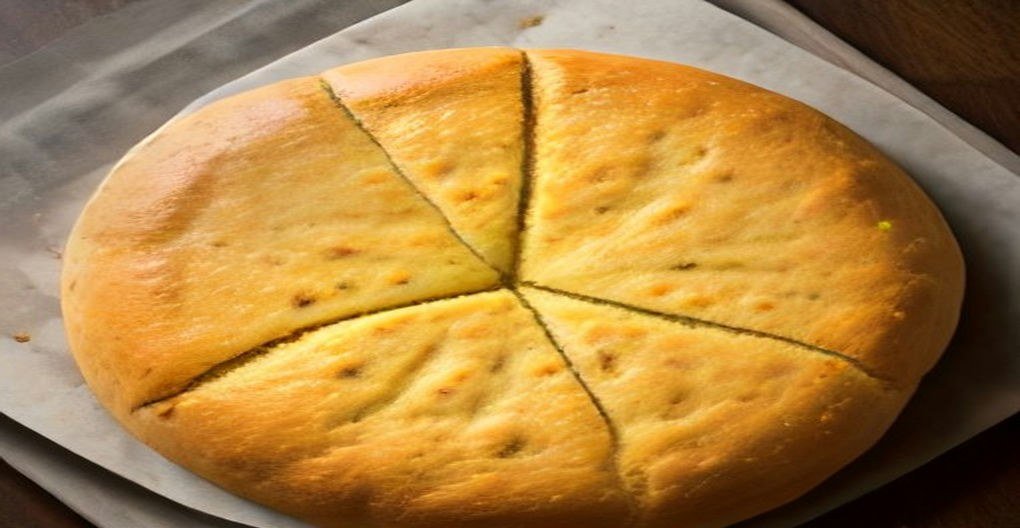
Golden, dimpled, and glistening with olive oil, focaccia is Italy’s most irresistible flatbread. With a crisp, olive-oil-fried bottom crust, an airy open crumb, and a topping of rosemary and flaky salt, it is simultaneously simple and sublime. This recipe uses a high-hydration dough and an overnight cold ferment for deep flavor with minimal hands-on time.
Focaccia is the perfect beginner bread: the wet dough is forgiving, shaping is just pressing dimples with your fingers, and the generous olive oil makes it nearly impossible to dry out. The result tastes like a rustic Italian bakery.
Why This Focaccia Bread Recipe Works
Three things make great focaccia: high hydration, long cold ferment, and abundant olive oil. The wet dough (around 80% hydration) creates the characteristic open, airy holes. An overnight rest in the refrigerator develops complex flavor and makes the dough easy to handle. And olive oil does triple duty: it fries the bottom crust crisp in the pan, keeps the crumb tender, and carries the rosemary and salt flavors on top.
The dimpling is not just decorative. Pressing your fingers to the bottom of the pan creates valleys that hold pools of olive oil and prevent giant air bubbles from ballooning the surface.
Ingredients for Rosemary Focaccia
- 4 cups (500g) bread flour (or all-purpose flour)
- 2 teaspoons fine salt, plus flaky sea salt for topping
- 2 1/4 teaspoons (1 packet) instant yeast
- 2 cups (480ml) lukewarm water
- 1/4 cup (60ml) extra-virgin olive oil, plus more for the pan and drizzling
- 2 tablespoons fresh rosemary leaves
Use good olive oil. With so few ingredients, the olive oil’s flavor shines through. Use a fruity extra-virgin oil you enjoy eating, not the cooking-grade stuff.
How to Make Focaccia
- Mix the dough (5 minutes). In a large bowl, whisk the flour, salt, and yeast. Add the water and 1/4 cup olive oil; stir with a wooden spoon until a very wet, shaggy dough forms with no dry flour. Cover and rest 15 minutes.
- Stretch and fold. With wet hands, grab one side of the dough, stretch it up, and fold over the center. Rotate the bowl and repeat 4 times total. Cover and rest 15 minutes; repeat the folds twice more.
- Cold ferment. Cover tightly and refrigerate 12 to 24 hours. The dough will rise and develop bubbles.
- Pan and proof. Coat a 9×13-inch pan generously with olive oil (2 to 3 tablespoons). Turn the cold dough into the pan and gently stretch to the corners; it will resist, which is fine. Cover and proof at room temperature 1 1/2 to 2 hours, until puffy and jiggly. Midway through, gently stretch again to fill the pan.
- Dimple and top. Preheat the oven to 450°F (230°C). Drizzle the dough generously with olive oil. Oil your fingers and press straight down to the bottom of the pan all over, creating deep dimples. Sprinkle with rosemary and flaky salt.
- Bake. Bake 20 to 25 minutes, until deep golden brown on top and crisp underneath. Immediately turn out onto a wire rack so the bottom stays crisp.
Tips for the Best Focaccia
Be generous with oil. This is not the time for restraint. The oil fries the crust and carries flavor; skimping gives dry, pale bread.
Do not skimp on proofing. An under-proofed focaccia is dense. The dough should look visibly puffy and jiggle when you shake the pan.
Serve warm. Focaccia is at its peak within hours of baking, when the crust crackles and the interior is pillowy.
Variations
Top with halved cherry tomatoes and basil for a caprese focaccia. Press in sliced olives and red onion for Mediterranean flavor. For sweet focaccia, top with halved grapes, a drizzle of honey, and fresh thyme. Stuff with mozzarella cubes before the final proof for a stuffed version.
Storage
Best eaten the day it is baked. Store leftovers at room temperature for 2 days; refresh in a 375°F oven for 8 minutes. Freeze for 3 months, well wrapped. Focaccia makes phenomenal sandwiches and the ultimate garlic bread when split and broiled.
This rosemary focaccia brings the Italian bakery to your kitchen. Crisp, airy, and fragrant, it is impossible to eat just one piece. This focaccia bread recipe brings the Italian bakery to your home kitchen with surprisingly little effort.
Focaccia FAQs
Why is my focaccia dense instead of airy?
Under-proofing is the most common cause. The dough should look visibly puffy and jiggle when you shake the pan before baking. Also, make sure your yeast was active and the dough got its full cold ferment.
How deep should the dimples be?
Press all the way to the bottom of the pan. Shallow dimples disappear during baking. Deep dimples create valleys that hold pools of olive oil and give focaccia its signature texture.
What toppings work well on focaccia?
Cherry tomatoes, olives, red onion, and fresh herbs are classics. For sweet versions, try halved grapes with honey and thyme. Add delicate toppings before baking; add fresh basil after.
Can I make focaccia dough ahead?
Yes, the cold ferment is already a make-ahead step; the dough keeps in the refrigerator up to 48 hours. You can also freeze the baked focaccia for 3 months and refresh in a hot oven.