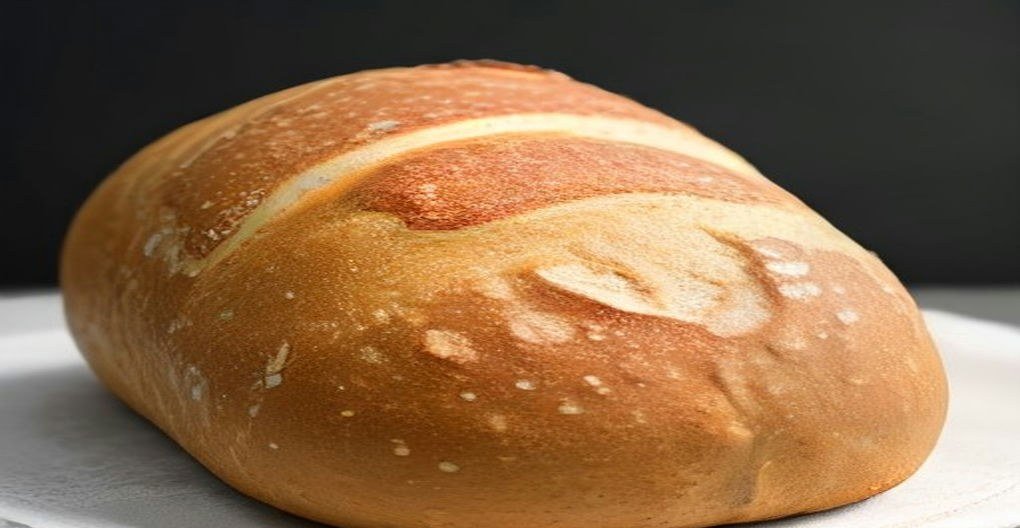
No-Knead Bread Recipe (Easy Artisan Loaf)
Crackling crust, open airy crumb, and deep wheaty flavor with almost no effort: no-knead bread is the recipe that launched a thousand home bakers. You stir four ingredients together in a bowl, walk away for 12 to 18 hours, then bake in a screaming-hot Dutch oven. The long, slow fermentation does all the work that kneading usually does, developing flavor and structure while you sleep.
This method, popularized by Jim Lahey of Sullivan Street Bakery, proves that great bread is about time, not technique. If you can stir, you can make artisan-quality bread that rivals the best bakeries.
Why No-Knead Bread Works
Gluten develops in two ways: mechanical kneading or time plus hydration. This very wet dough sits long enough for gluten strands to form and organize on their own, no kneading required. The extended ferment also lets wild yeasts and bacteria produce complex flavors: subtle tang, nutty wheat notes, and caramelized depth you cannot get from a quick rise.
Baking in a preheated Dutch oven traps the dough’s own steam, mimicking a professional steam-injected oven. That burst of steam keeps the crust soft during the first minutes of baking so the loaf expands fully (oven spring), then the dry heat crisps it into a shattering crust.
Ingredients for No-Knead Bread
- 3 cups (375g) all-purpose flour (or bread flour for chewier crumb)
- 1/4 teaspoon instant yeast
- 1 1/4 teaspoons fine salt
- 1 1/2 cups (360ml) lukewarm water
- Cornmeal or extra flour, for dusting
Yes, only 1/4 teaspoon of yeast. The tiny amount is deliberate: less yeast means slower fermentation, and slow fermentation means more flavor. Do not be tempted to add more.
How to Make No-Knead Bread
- Mix the dough (5 minutes). In a large bowl, whisk the flour, yeast, and salt. Add the water and stir with a wooden spoon until a shaggy, sticky dough forms with no dry flour pockets. Cover with plastic wrap.
- First rise (12 to 18 hours). Let sit at room temperature, about 70°F, until the surface is dotted with bubbles and the dough has more than doubled. Time is flexible; longer is generally better within this window.
- Shape (10 minutes). Turn the dough onto a well-floured surface. With floured hands, fold it over on itself a few times to form a rough ball. Place seam-side down on parchment paper, or on a floured cotton towel (not terry cloth) set in a bowl.
- Second rise (30 minutes to 1 hour). Cover loosely and rest while the oven preheats.
- Preheat thoroughly. Put your Dutch oven (with lid) in the oven and preheat to 450°F (230°C) for at least 30 minutes. The pot must be screaming hot.
- Bake covered, then uncovered. Carefully lower the dough (on its parchment) into the hot pot. Cover and bake 30 minutes. Remove the lid and bake 15 to 25 minutes more, until deeply golden brown.
- Cool. Turn out onto a wire rack and cool at least 1 hour before slicing. Cutting too early releases steam and makes the crumb gummy. Listen for the crackle as it cools; that is the crust singing.
Tips for the Best No-Knead Bread
Do not skimp on preheating. A fully heated Dutch oven is what creates oven spring and crust. Thirty minutes minimum at full temperature.
Embrace the wet dough. It should be sticky and shaggy, not firm. Wet dough equals open crumb. Flour your hands, not the dough.
Bake it dark. Most home bakers underbake. A deeply browned crust means caramelized flavor; a pale crust means bland bread.
Variations
Fold in 1 cup of shredded cheddar and 2 tablespoons of chopped jalapeños before shaping for cheesy jalapeño bread. Add 1 cup of olives and 1 tablespoon of rosemary for Mediterranean loaf. Replace 1 cup of flour with whole wheat for heartier flavor.
Storage
Store cut-side down on a cutting board for up to 2 days; the crust stays crisp. Never refrigerate bread; it stales faster. Freeze for 3 months, sliced, and toast directly from frozen. Revive day-old bread with 10 minutes in a 350°F oven.
This no-knead bread will change how you think about homemade bread. Four ingredients, five minutes of work, and a loaf that crackles. This no-knead bread recipe proves that extraordinary bread requires only time, not technique.
No-Knead Bread FAQs
What if I do not have a Dutch oven?
Use any heavy oven-safe pot with a tight lid, such as an oven-safe stockpot. In a pinch, bake on a preheated baking stone or sheet pan with an overturned large metal bowl covering the loaf for the first 30 minutes to trap steam.
Why is my no-knead bread dense?
Under-fermentation is the most common cause; the dough needs the full 12 to 18 hours to develop. An underheated Dutch oven also limits oven spring. Make sure your pot preheats a full 30 minutes at 450°F.
How flexible is the rising time?
Very. Anywhere from 12 to 18 hours at room temperature works. In a cool kitchen, lean toward 18 hours; in a warm one, 12 may suffice. The dough is ready when it is bubbly and more than doubled.
Can I use whole wheat flour?
Yes, replace up to half the all-purpose flour with whole wheat. The bread will be denser and heartier with nuttier flavor. Using 100% whole wheat requires more water and gives a very dense loaf.