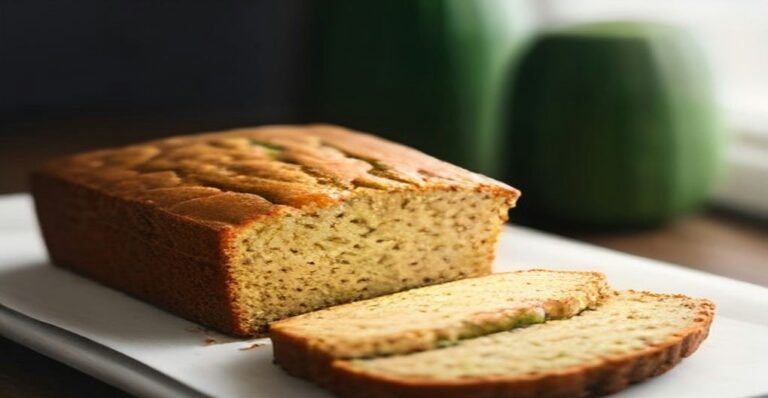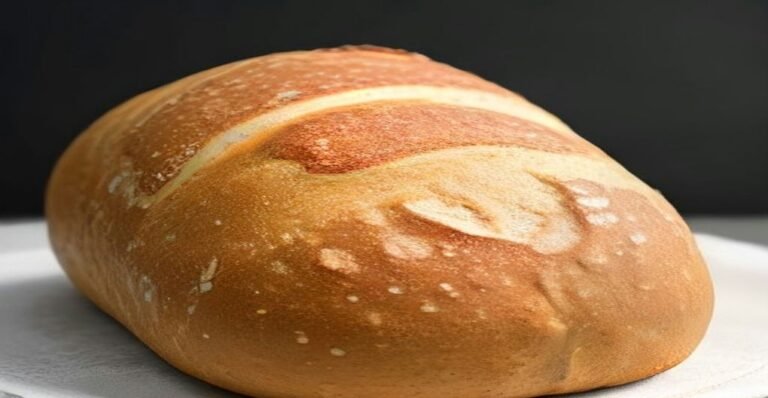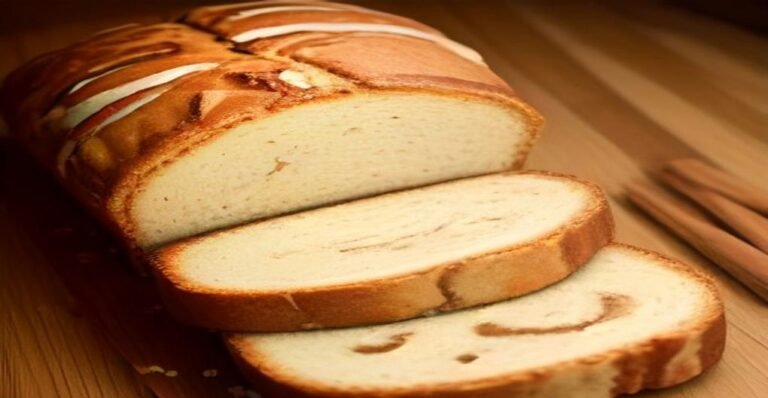
Classic Brioche Recipe (Buttery & Soft)
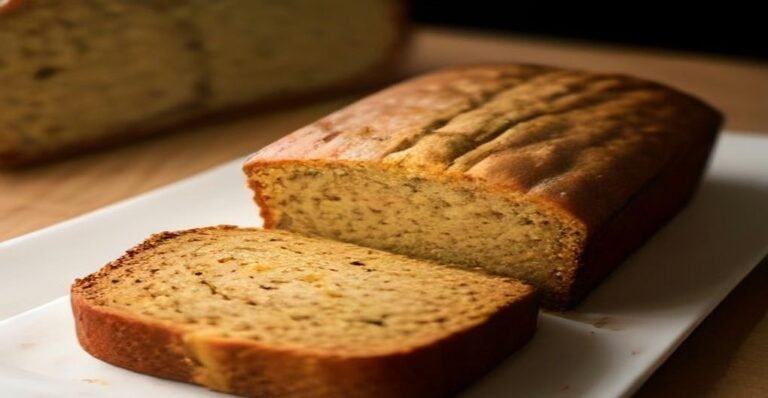
Rich, buttery, and golden as sunrise, brioche is the queen of enriched breads. With its tender, feathery crumb and deep buttery flavor, it elevates everything it touches: French toast, bread pudding, gourmet sandwiches, or simply a thick slice with jam. This recipe produces a classic loaf with a tight, even crumb, perfect for slicing.
Brioche has a reputation for being difficult, but it is really just about patience. The dough is sticky and slow, but the method is simple: mix, knead, chill overnight, shape, rise, and bake. The overnight rest develops flavor and makes the buttery dough easy to handle.
Why This Brioche Recipe Works
Brioche is defined by high butter and egg content, which creates its characteristic rich flavor and tender texture. The trick is adding the butter gradually to a well-developed dough; this builds a strong gluten network first, so the bread has structure despite the richness. An overnight cold ferment firms the butter (making shaping possible), slows yeast activity for deeper flavor, and fits baking into a convenient schedule: mix in the evening, bake in the morning.
Ingredients for Classic Brioche
- 3 3/4 cups (470g) bread flour
- 1/4 cup (50g) granulated sugar
- 2 1/4 teaspoons (1 packet) instant yeast
- 1 1/2 teaspoons fine salt
- 4 large eggs plus 1 yolk, at room temperature
- 1/3 cup (80ml) whole milk, lukewarm
- 1 cup (225g) unsalted butter, softened but cool
- 1 egg beaten with 1 tablespoon milk, for egg wash
Butter temperature is crucial. It should be pliable but cool, about 65°F. Too warm and it melts into the dough, making it greasy; too cold and it will not incorporate. Cut it into tablespoon pieces for easy adding.
How to Make Brioche
- Mix the dough. In a stand mixer bowl, whisk the flour, sugar, yeast, and salt. Add the eggs, yolk, and milk. Mix with the dough hook on low until a shaggy dough forms.
- Knead. Knead on medium-low for 8 to 10 minutes until smooth and elastic. The dough will be sticky; resist adding flour.
- Add the butter gradually. With the mixer on medium-low, add the butter one tablespoon at a time, waiting until each piece is absorbed before adding the next. This takes 10 to 15 minutes. The dough may look broken midway; keep going, it comes together into a smooth, shiny mass.
- First rise. Transfer to a greased bowl, cover, and rise at room temperature for 1 hour, then refrigerate overnight (8 to 12 hours).
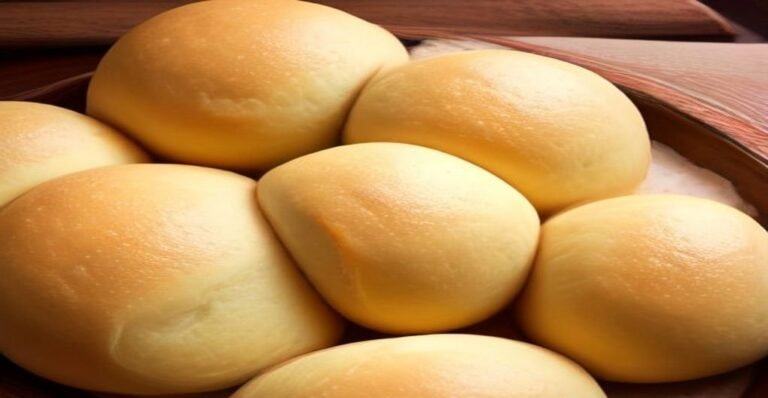
- Shape. The cold dough will be firm and easy to handle. Divide into 8 equal pieces, shape each into a tight ball, and arrange in a greased 9×5-inch loaf pan (two rows of four).
- Second rise. Cover and rise in a warm spot until puffy and the dough crowns above the pan rim, 1 to 1 1/2 hours.
- Bake. Preheat the oven to 375°F (190°C). Brush gently with egg wash. Bake 30 to 35 minutes, until deep golden brown and hollow-sounding. Tent with foil if browning too fast. Cool in the pan 10 minutes, then turn out to cool completely.
Tips for the Best Brioche
Trust the process with the butter. The dough looks like a greasy mess halfway through adding butter. This is normal. Keep the mixer running and it will transform.
Do not rush the cold ferment. The overnight rest is what makes brioche manageable and flavorful. In a hurry, chill at least 4 hours.
Use a thermometer. Brioche is done at 190°F internally. The rich dough browns fast, so color alone is misleading.
Variations
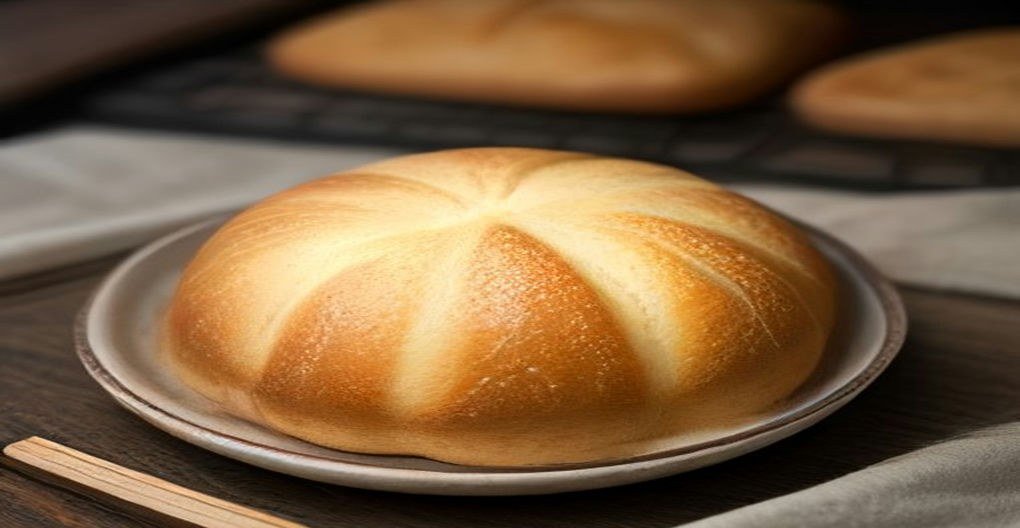
Shape into individual brioches à tête in fluted molds for classic French rolls. Swirl with chocolate or cinnamon filling before the second rise. Add orange zest and a handful of chocolate chips for a breakfast-worthy chocolate orange brioche.
Storage
Wrapped at room temperature for 3 days. Brioche stales faster than lean breads due to its richness; slice and freeze for longer storage, up to 3 months. Day-old brioche makes the world’s best French toast and bread pudding.
This brioche is baking luxury: golden, buttery, and impossibly tender. Master it once, and a world of enriched doughs opens up.
Brioche FAQs
Why is my brioche dense instead of light?
Under-kneading before adding butter is the usual cause; the dough needs strong gluten to support all that richness. Also, make sure the second rise is complete; the dough should crown above the pan before baking.
What temperature should the butter be?
Cool but pliable, around 65°F. It should give when pressed but not feel greasy or melty. Too warm and it melts into the dough making it greasy; too cold and it will not incorporate smoothly.
Can I shape brioche differently?
Yes. Divide into individual brioches à tête using fluted molds, braid it into a loaf, or shape into hamburger buns. The dough is versatile once you master the base recipe.
What is brioche best used for?
French toast, bread pudding, and gourmet sandwiches are classics. It also makes incredible hamburger buns. Day-old brioche is actually preferable for French toast as it absorbs custard better.