Soft Homemade Dinner Rolls Recipe
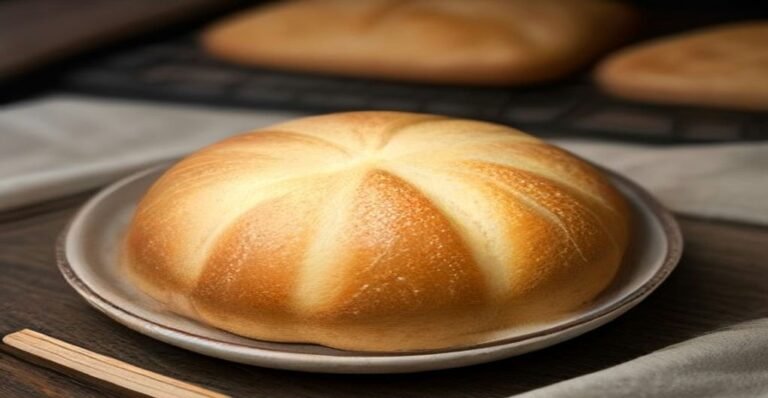
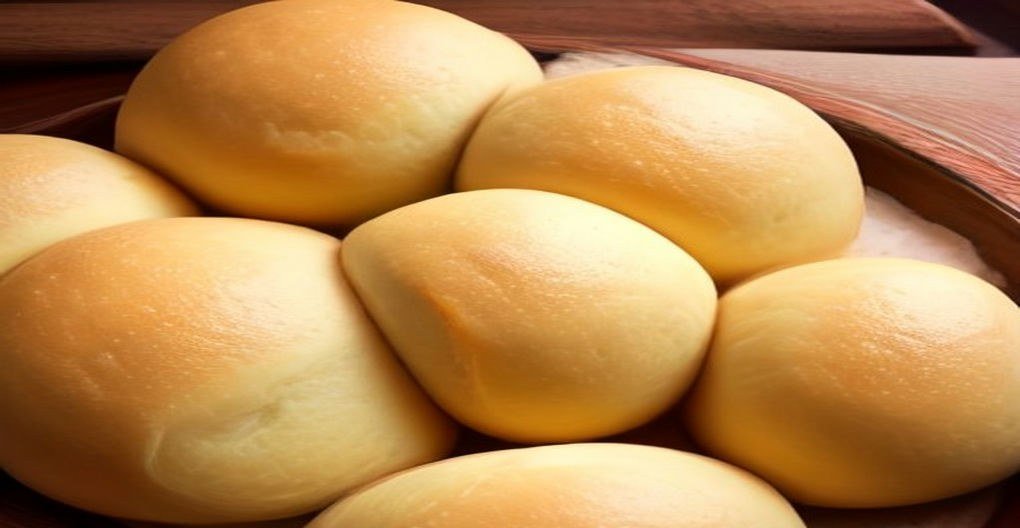
Pillowy, buttery, and golden brown, homemade dinner rolls are the quiet star of any meal. These bake up feather-light with a tender crumb that pulls apart in soft layers, perfect for sopping up gravy, sandwiching holiday ham, or simply eating warm with melting butter. Once you taste real homemade rolls, the bagged kind will never satisfy you again.
The secret to cloud-soft rolls is a rich, well-kneaded dough with milk, butter, and egg, plus a double rise that builds both flavor and texture. A brush of butter the moment they leave the oven gives the tops their signature sheen and flavor.
Why This Soft Dinner Rolls Recipe Works
Softness comes from fat, sugar, and gentle handling. Milk tenderizes the crumb, butter adds richness, and a touch of sugar feeds the yeast while keeping the rolls soft for days. Kneading to full gluten development (the windowpane test) gives structure that traps gas for maximum fluffiness. Baking the rolls close together in the pan means they rise upward instead of outward, creating tall, pull-apart sides.
Ingredients for Soft Dinner Rolls
- 1 cup (240ml) warm whole milk (110°F)
- 2 1/4 teaspoons (1 packet) active dry yeast
- 1/3 cup (65g) granulated sugar, divided
- 1/3 cup (75g) unsalted butter, melted, plus 2 tablespoons for brushing
- 1 large egg, at room temperature
- 3 1/2 to 4 cups (440-500g) all-purpose flour
- 1 1/2 teaspoons fine salt
Milk temperature matters. Too hot (above 120°F) kills the yeast; too cool and it will not activate. Aim for warm bathwater, about 110°F. A thermometer removes all guesswork.
How to Make Dinner Rolls
- Activate the yeast. Stir the warm milk, yeast, and a pinch of the sugar in a large bowl or stand mixer bowl. Let sit 5 to 10 minutes until foamy. If it does not foam, your yeast is dead; start over with fresh yeast.
- Mix the dough. Whisk in the remaining sugar, melted butter, and egg. Add 3 1/2 cups of flour and the salt. Mix until a shaggy dough forms.
- Knead. Knead by hand 8 to 10 minutes (or 6 to 8 minutes in a stand mixer with the dough hook), adding flour a tablespoon at a time, until the dough is smooth, elastic, and slightly tacky but not sticky. It should pass the windowpane test: stretch a small piece thin enough to see light through without tearing.
- First rise. Place in a greased bowl, cover, and rise in a warm spot until doubled, about 1 to 1 1/2 hours.
- Shape. Punch down and divide into 15 equal pieces (about 2 oz each). Shape each into a tight ball: flatten slightly, gather the edges to the center, pinch closed, and roll seam-down on the counter.
- Second rise. Arrange in a greased 9×13-inch pan, cover, and rise until puffy and touching, 30 to 45 minutes.
- Bake. Preheat the oven to 375°F (190°C). Bake 18 to 22 minutes, until deep golden brown. Brush immediately with the 2 tablespoons of melted butter.
Tips for the Best Dinner Rolls
Weigh the dough pieces. Even rolls bake evenly. A kitchen scale turns 15 lumpy pieces into 15 perfect ones.
Create a warm rising spot. An oven with the light on (heat off) is ideal, about 80°F. Cold kitchens slow rising dramatically.
Do not overflour. A slightly tacky dough makes softer rolls than a stiff, floury one. Add flour sparingly during kneading.
Variations
Brush with garlic butter and sprinkle parmesan for garlic knots’ cousins. Add 1/4 cup of honey instead of sugar for honey-butter rolls. Shape into knots or crescents for fancier presentations. For make-ahead convenience, shape the rolls, refrigerate overnight, and let rise 1 hour at room temperature before baking.
Storage
Keep in an airtight container or bag at room temperature for 3 days. Warm in a 300°F oven for 5 minutes to refresh. Freeze baked rolls for 3 months; thaw at room temperature and warm before serving.
These dinner rolls are worth every minute. Soft, buttery, and golden, they turn any dinner into an occasion. Add this dinner rolls recipe to your holiday playbook, because soft, buttery rolls make every meal feel special.
Dinner Roll FAQs
Why are my dinner rolls dense instead of fluffy?
Under-kneading is the top cause; the dough needs full gluten development to trap gas. Also check that your yeast was active (it should foam) and that you let the rolls rise until truly puffy before baking.
Can I make dinner rolls ahead of time?
Yes. Shape the rolls, arrange in the pan, cover tightly, and refrigerate overnight. The next day, let them rise at room temperature for about 1 hour until puffy, then bake as directed.
Can I freeze homemade dinner rolls?
Absolutely. Freeze baked rolls for up to 3 months, well wrapped. Thaw at room temperature and warm in a 300°F oven for 5 to 8 minutes to restore that fresh-baked softness.
How do I shape even rolls?
Weigh the dough and divide by 15 for uniform pieces. Shape each into a tight ball by gathering the edges underneath and rolling seam-down on the counter. Even rolls bake evenly.