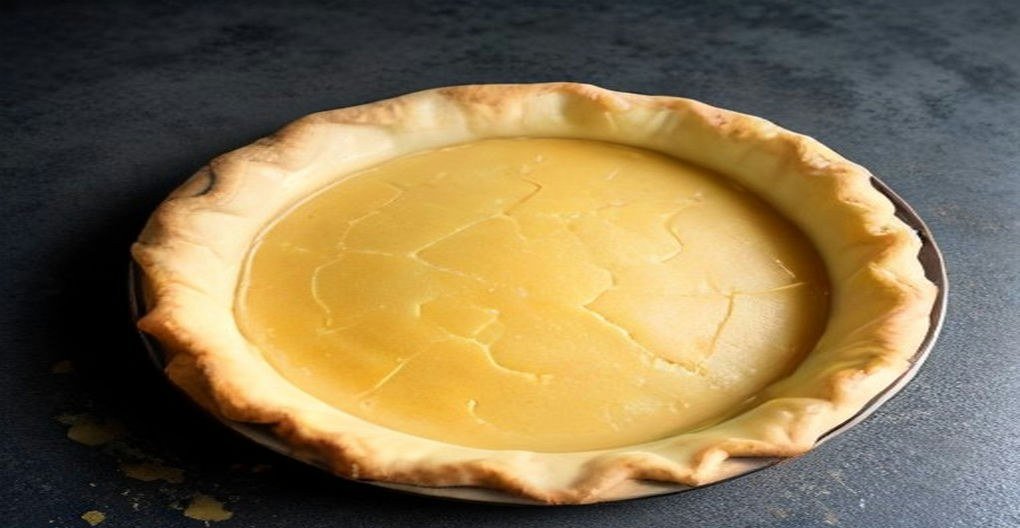
Flaky Pie Crust Recipe (All-Butter, Foolproof)
Everything in pie-making starts with the crust, and this flaky pie crust recipe is the foundation every baker needs. With distinct, shattering layers of butter and a tender bite, it works for sweet and savory pies alike. The method is simple, but the details, cold ingredients, minimal handling, and proper resting, make the difference between tough and transcendent.
Homemade crust beats store-bought on every measure: flavor, flakiness, and the satisfaction of making it yourself. Once you master this all-butter version, you will never go back.
Why This Flaky Pie Crust Recipe Works
Flakiness comes from discrete pieces of cold butter in the dough. In the oven’s heat, the water in those butter pieces turns to steam, pushing apart the surrounding flour into distinct layers. The larger the butter pieces, the flakier (if more rustic) the result; pea-sized pieces give the ideal balance of flaky and manageable. Vodka (or ice water with a splash of vinegar) hydrates the dough while limiting gluten formation, since gluten does not develop in alcohol, giving you a dough that is both easy to roll and tender when baked.
Resting the dough twice, once after mixing and once after shaping, relaxes the gluten so the crust does not shrink in the oven.
Ingredients for Flaky Pie Crust
Makes 2 crusts (one double-crust pie or two single-crust pies):
- 2 1/2 cups (315g) all-purpose flour
- 1 tablespoon granulated sugar (omit for savory pies)
- 1 teaspoon fine salt
- 1 cup (225g) unsalted butter, very cold, cut into 1/2-inch cubes
- 1/4 cup (60ml) ice-cold vodka (or ice water)
- 1/4 cup (60ml) ice water, plus more as needed
Keep it cold. Freeze the cubed butter for 15 minutes before starting. If your kitchen is warm, chill the flour too. Cold ingredients are the entire secret.
How to Make Pie Crust
- Mix dry ingredients. Whisk the flour, sugar, and salt in a large bowl.
- Cut in the butter. Add the cold butter cubes and cut in with a pastry cutter, two knives, or your fingertips until the mixture has pea-sized butter pieces with some larger almond-sized chunks. Those bigger pieces create the flakiest layers.
- Add liquid. Drizzle the cold vodka and ice water over the mixture, tossing with a fork. Add more ice water a tablespoon at a time until the dough just holds together when squeezed. It should look shaggy, not smooth.
- Rest. Divide into two discs, flatten, wrap tightly, and refrigerate at least 1 hour or up to 2 days. This hydrates the flour and relaxes the gluten.
- Roll out. On a lightly floured surface, roll from the center outward, turning the dough a quarter turn after every few rolls, to a 12-inch circle about 1/8-inch thick. If the dough cracks at the edges, pinch it back together.
- Fit and chill. Ease (do not stretch) the dough into the pie plate, trim or crimp as your recipe directs, and chill 30 minutes before filling or baking. Cold dough into a hot oven equals maximum flakiness.
Blind Baking Instructions
For custard or cream pies with wet fillings, blind bake: line the chilled crust with parchment, fill with pie weights or dried beans, and bake at 425°F (220°C) for 20 minutes. Remove weights and parchment, prick the bottom with a fork, and bake 10 to 15 minutes more until golden. For a fully crisp bottom, brush the hot crust with beaten egg white and bake 2 minutes more to seal.
Tips for the Best Pie Crust
Do not overwork. Every extra squeeze develops gluten and melts butter. Work quickly and confidently, then stop.
Visible butter is good. Streaks and chunks of butter in the rolled dough are exactly what you want; they become flaky layers.
Fix cracks with water. Dab a little ice water on cracks and press together. The dough is forgiving.
Variations
Replace 1/2 cup of flour with finely ground pecans or walnuts for nut crust. Add 1 teaspoon of cinnamon for apple pie crust. For a savory crust, omit the sugar and add 1/2 teaspoon of black pepper and 2 tablespoons of grated Parmesan.
Storage
Wrapped discs keep refrigerated for 3 days or frozen for 3 months. Thaw frozen dough in the refrigerator overnight. Baked pie shells keep at room temperature for 2 days.
This flaky pie crust is the skill that unlocks all pies. Master it, and every filling you dream up will have the perfect foundation.
Pie Crust FAQs
Why use vodka in pie crust?
Vodka hydrates the flour like water but does not develop gluten (gluten cannot form in alcohol). This gives you an easy-to-roll dough that bakes up exceptionally tender and flaky. The alcohol burns off completely in the oven.
Why is my pie crust tough?
Overworking the dough develops too much gluten. Handle it as little as possible, keep everything cold, and rest the dough to relax the gluten. Visible butter chunks are good; a smooth, uniform dough is a warning sign.
When should I blind bake?
Blind bake for pies with wet, no-bake fillings (cream pies, fresh fruit tarts) or very wet fillings that would sog the crust before it sets. Fruit pies with double crusts generally do not need blind baking.
Can I freeze pie dough?
Yes, for up to 3 months. Wrap discs tightly in plastic, then foil. Thaw overnight in the refrigerator. You can also freeze fully shaped crusts in their pie plates, ready to fill.